
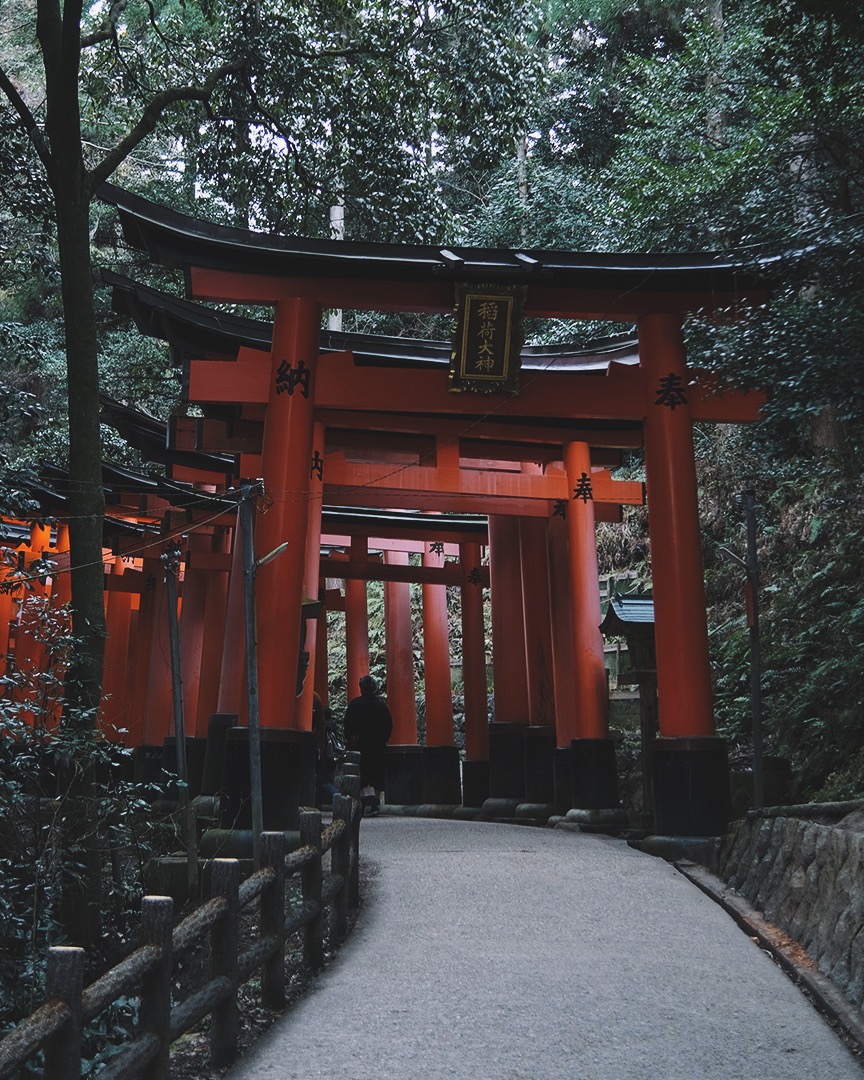
This is probably the only shrine we visited in Kyoto, even during our month-long stay in Japan.
Fushimi Inari is a huge tourist spot in Kyoto, so it’s usually full and crowded. We made sure to arrive earlier than usual. After our slow walking trip to Arashimaya, we headed to Fushimi Inari.
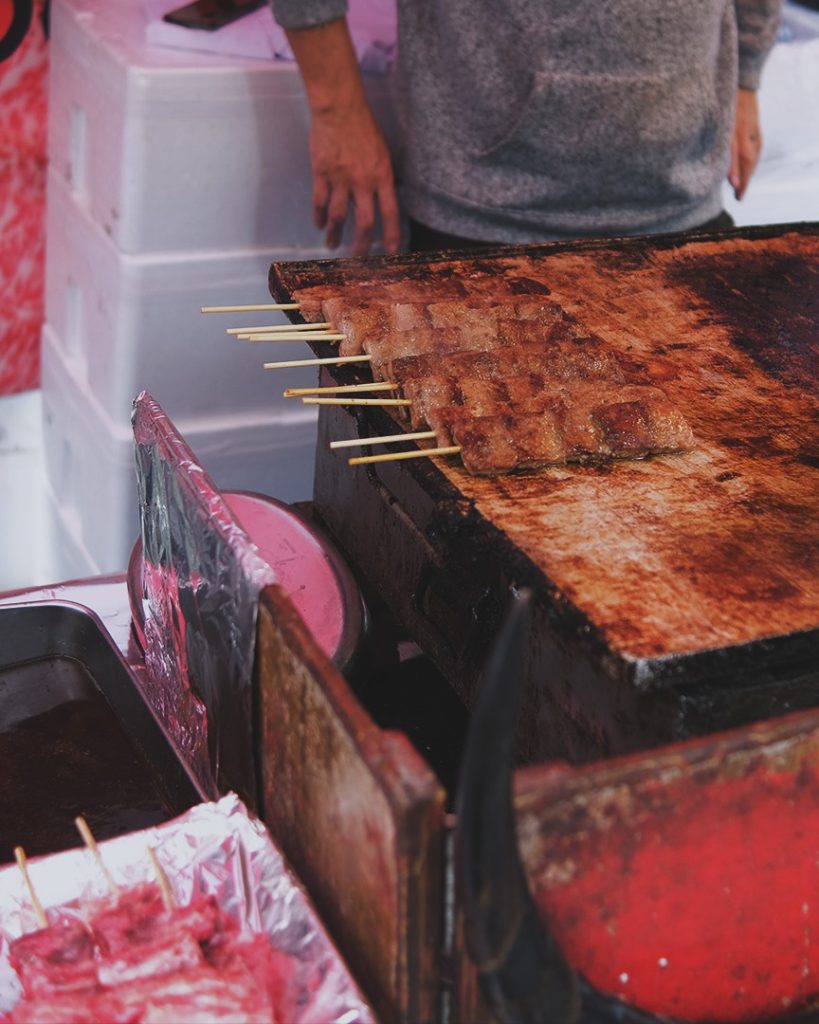
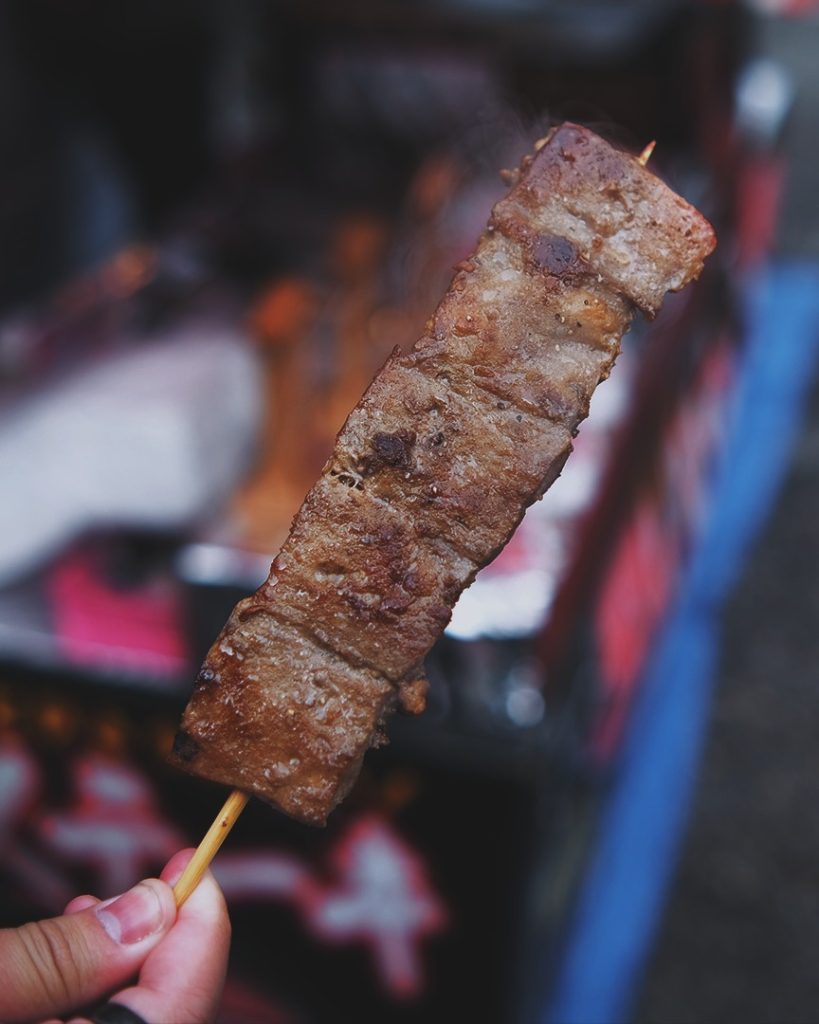
We arrived around 8 AM; surprisingly, many tourists were already there. Thankfully, the tour buses weren’t there yet (lol). We started the walk up with our usual routine—Kobe beef cubes! We know it’s more expensive here, but we just had to do it, haha!
Fushimi Inari is one of the most revered shrines in Japan. It’s famous for its torii gates leading up to the woodlands of sacred Mt. Inari and the Inari shrine at the top. Everything starts at the flat grounds with the big Inari gate, other shrines, and prayer halls.
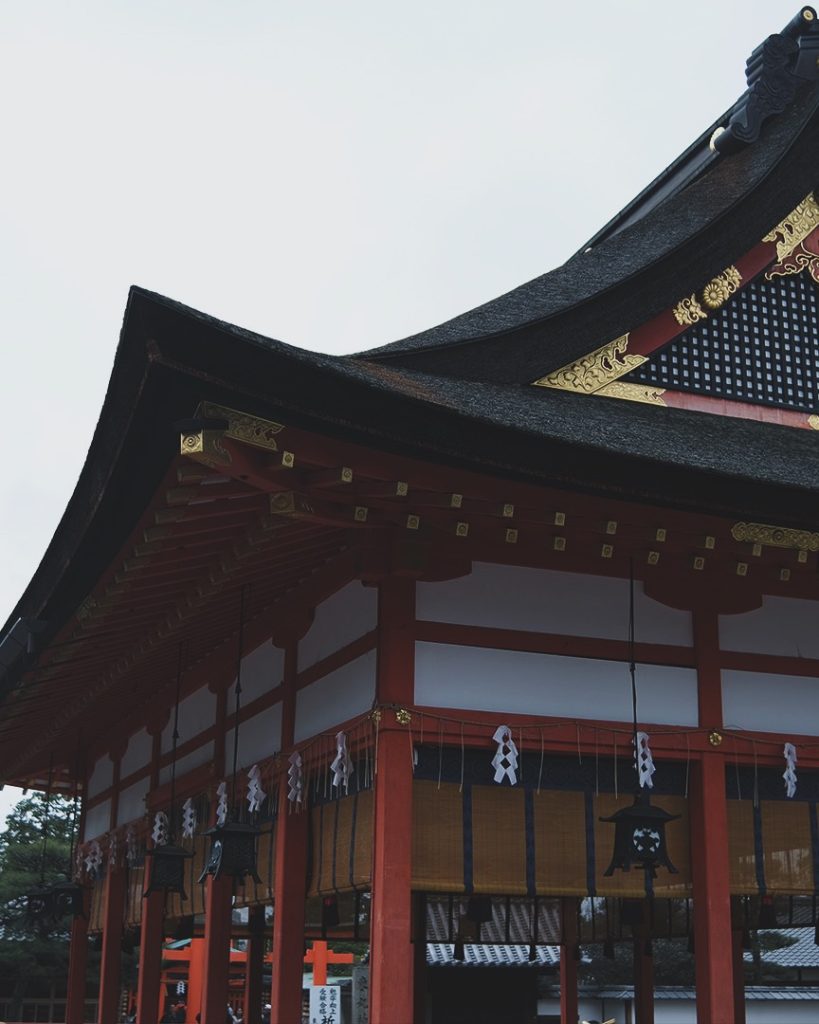
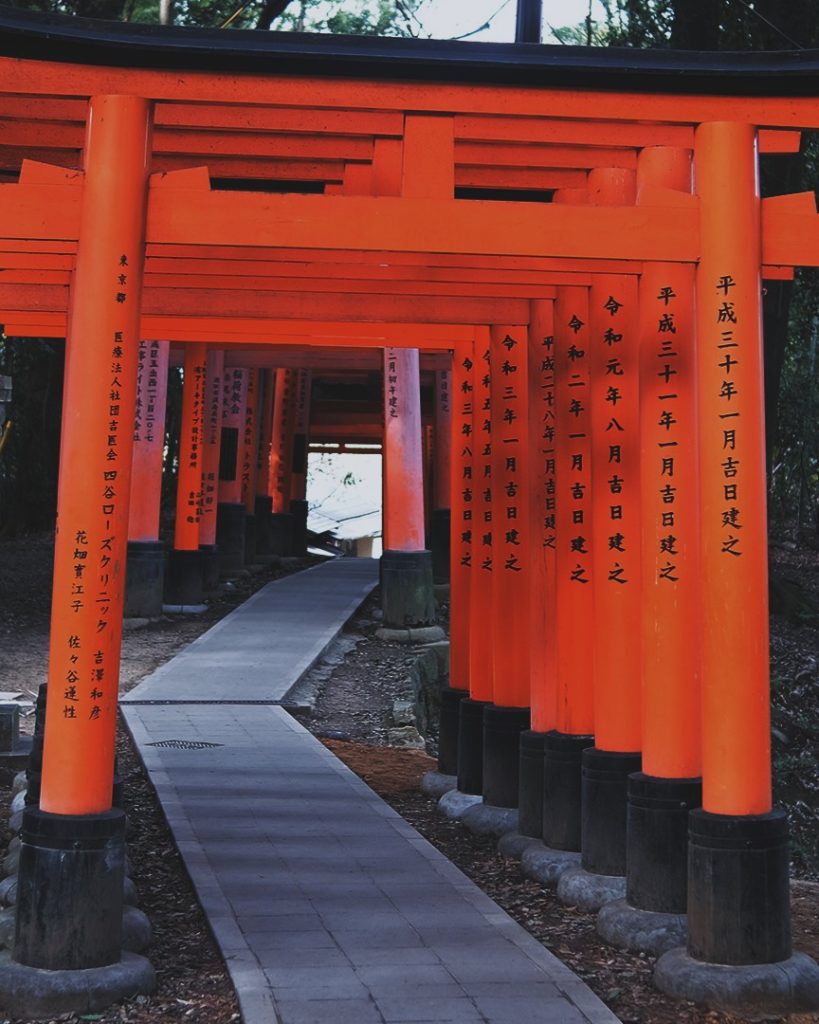
These torii gates are said to have been symbolic of the gates to heaven, sort of a tunnel to the sacred land. Inside these gates, it’s said that you stand in a sacred Shinto space, and every step brings you closer to Inari, the god of bountiful blessings and business success.
The Senbon Torii
The series of thousands of torii gates was donated by various business owners, forming a sort of tunnel. This is probably the most famous tourist spot in the shrine area. Most of the time, this area is filled with tourists, and it would be hard to take photos. Our recommendation is to walk further into the gates for your OOTDs!
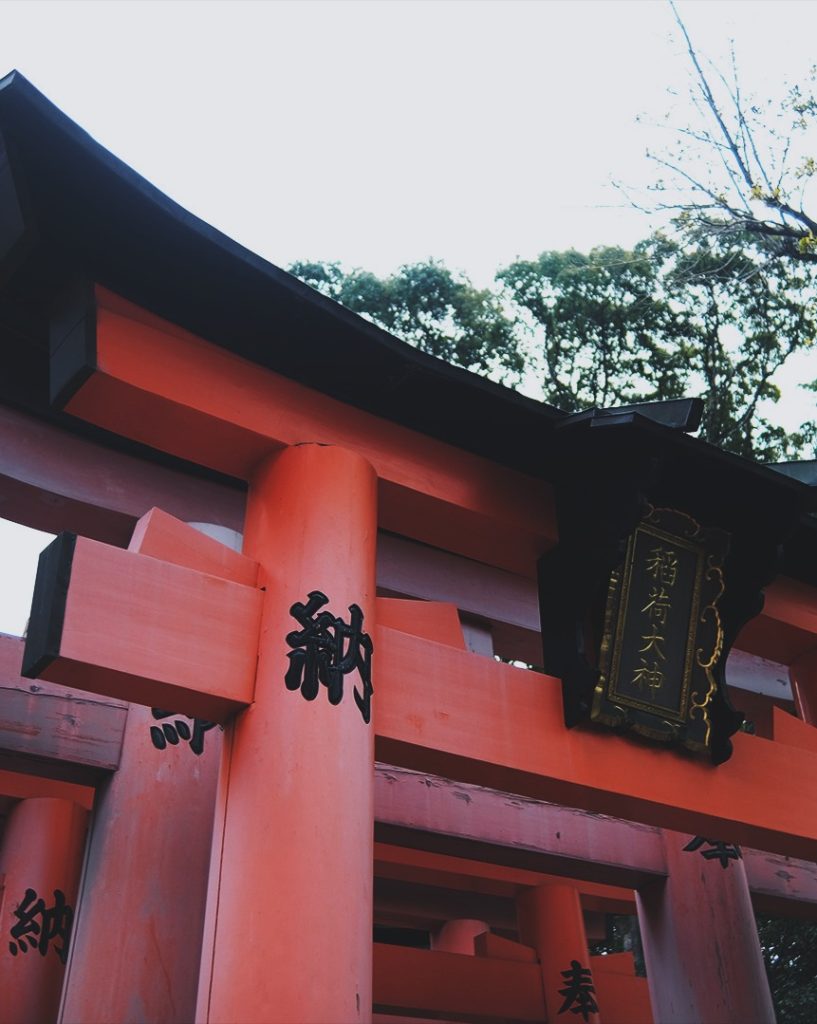
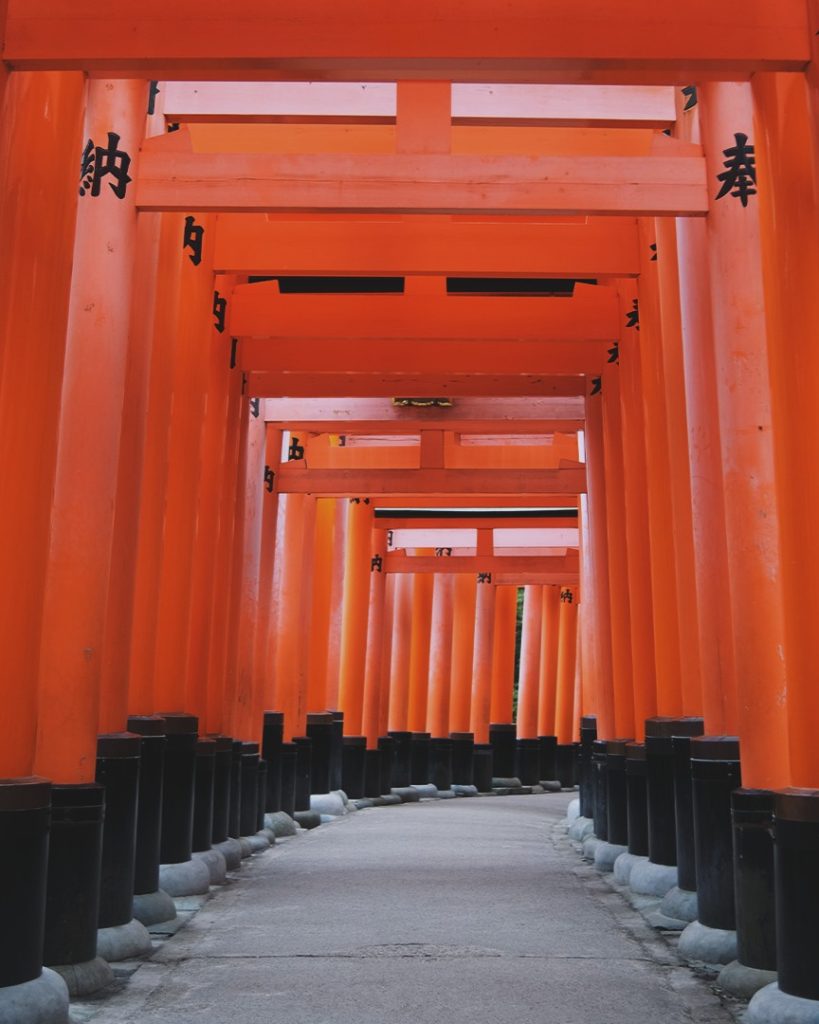
As you follow the trail further into the mountains, you’ll notice that the torii gates start to appear less vibrant, and the overall feeling becomes a bit darker and gloomier. Not that it means something bad; it just gives you a sense that you are actually walking deeper into the forests and woodlands of Mt. Inari. We love the serenity in these parts. There are even fewer tourists further up the pathways.
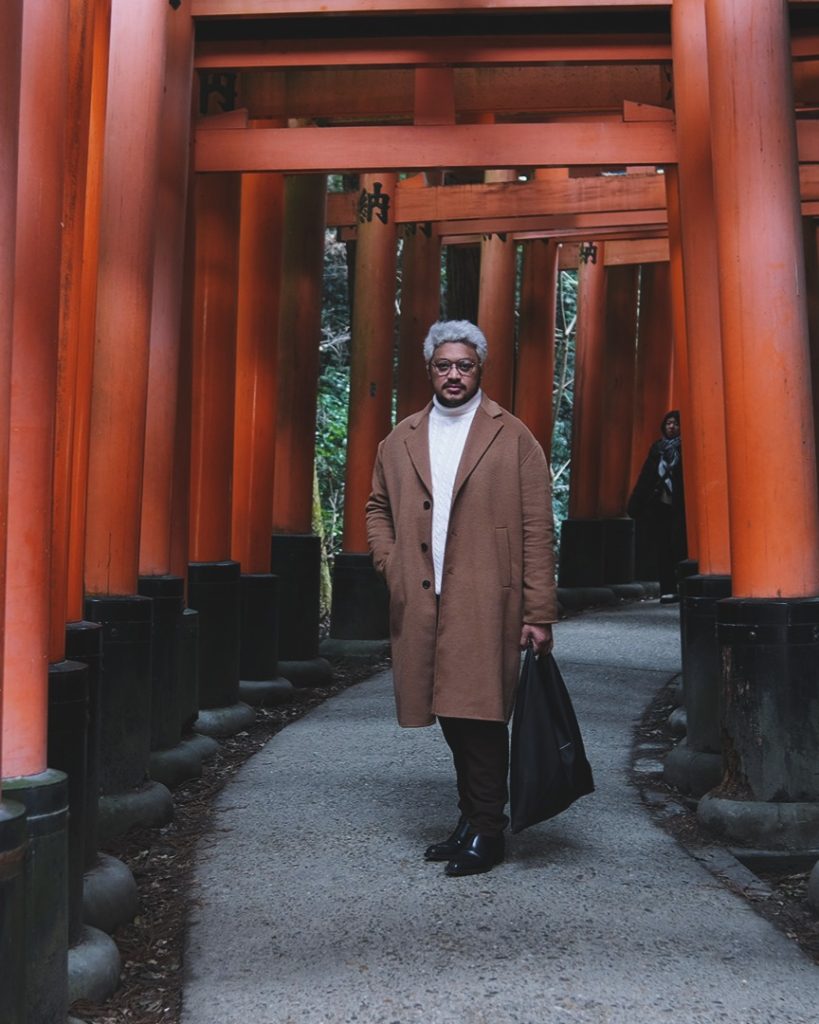

Walking deeper into the tunnel of torii gates, you will notice more shrines, smaller gates, and even secluded torii on the far end of the cliffs. We chanced upon some devotees hiking through Mt. Inari, stopping at smaller shrines along the way. You’ll see more of these pilgrims as you walk up the torii gates.
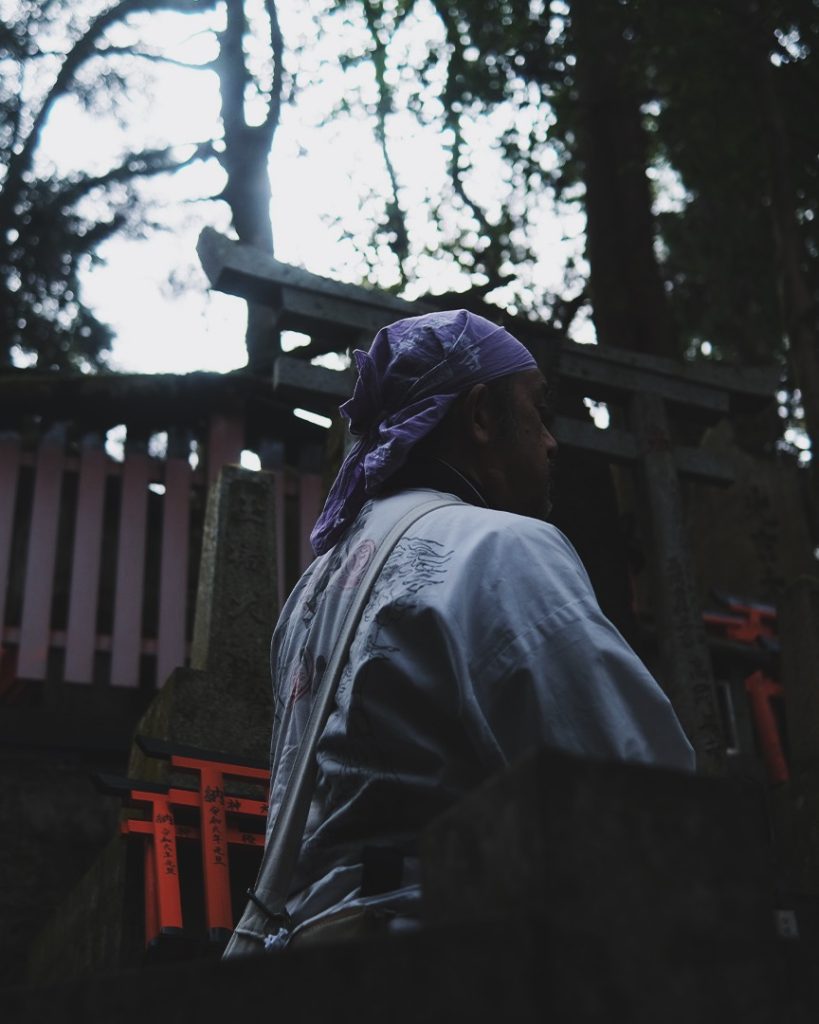
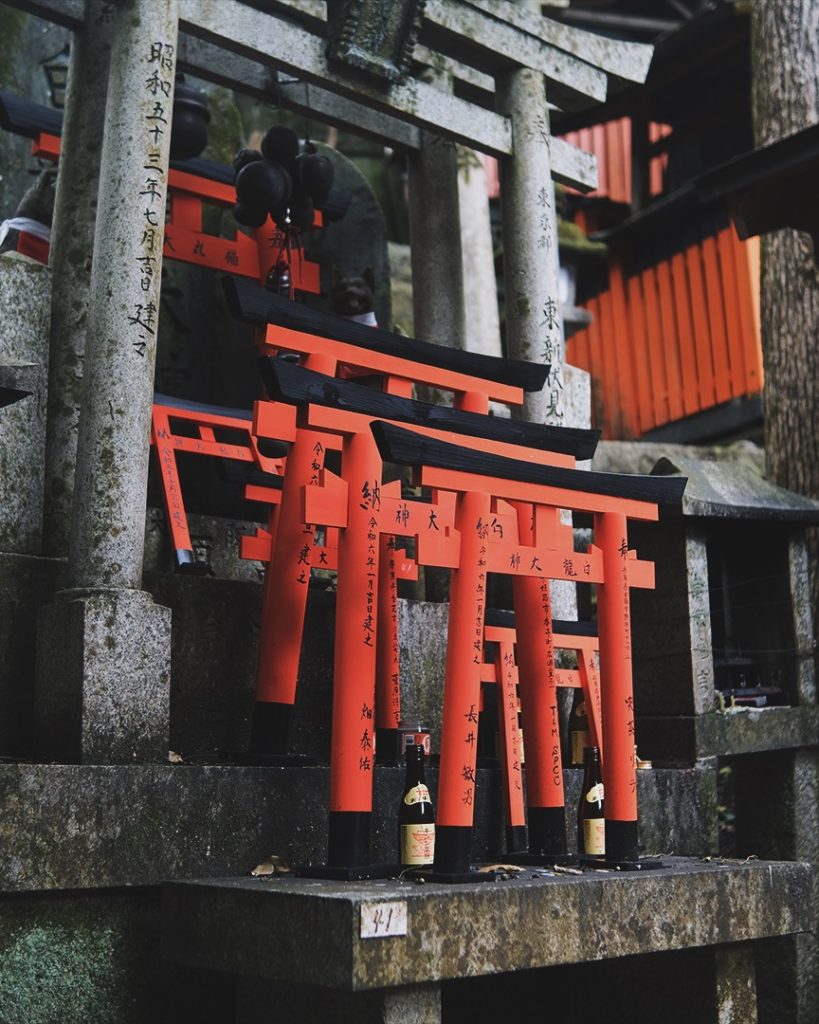
Further up, there are more pathways to take you to different stations and shrines, as well as some with breathtaking views. Going up, you’ll notice fewer and fewer orange gates and more neutrals, stones, and foliage wrapping around different shrines and prayer areas.

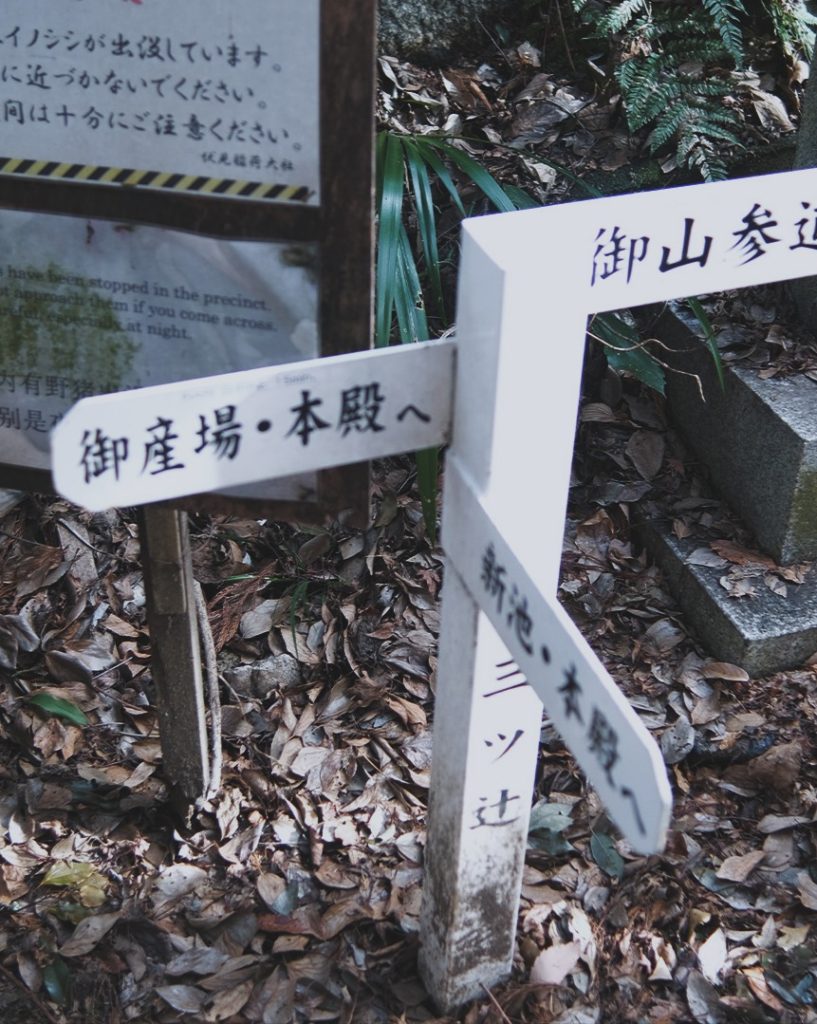
Kumataka-sha
We have reached the Kumataka-sha, the shrine of the Mountain Hawk-Eagle. In the past, people believed that hawk eagles flying across Mt. Inari were reincarnations of the gods.
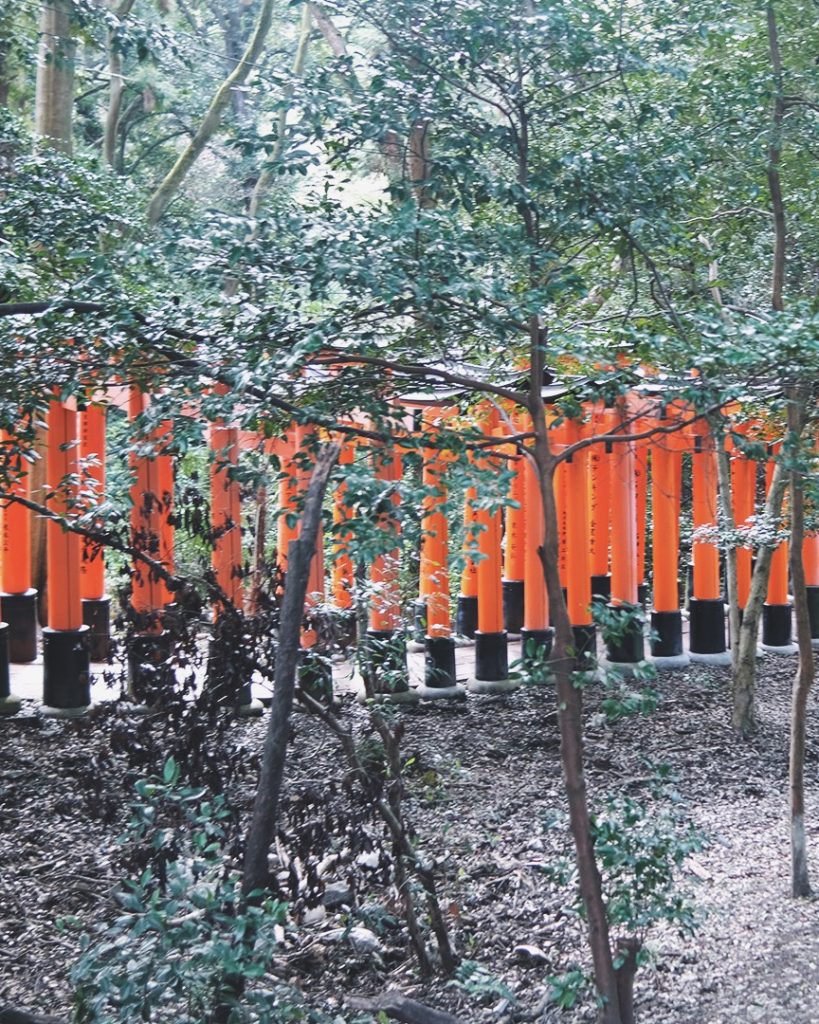
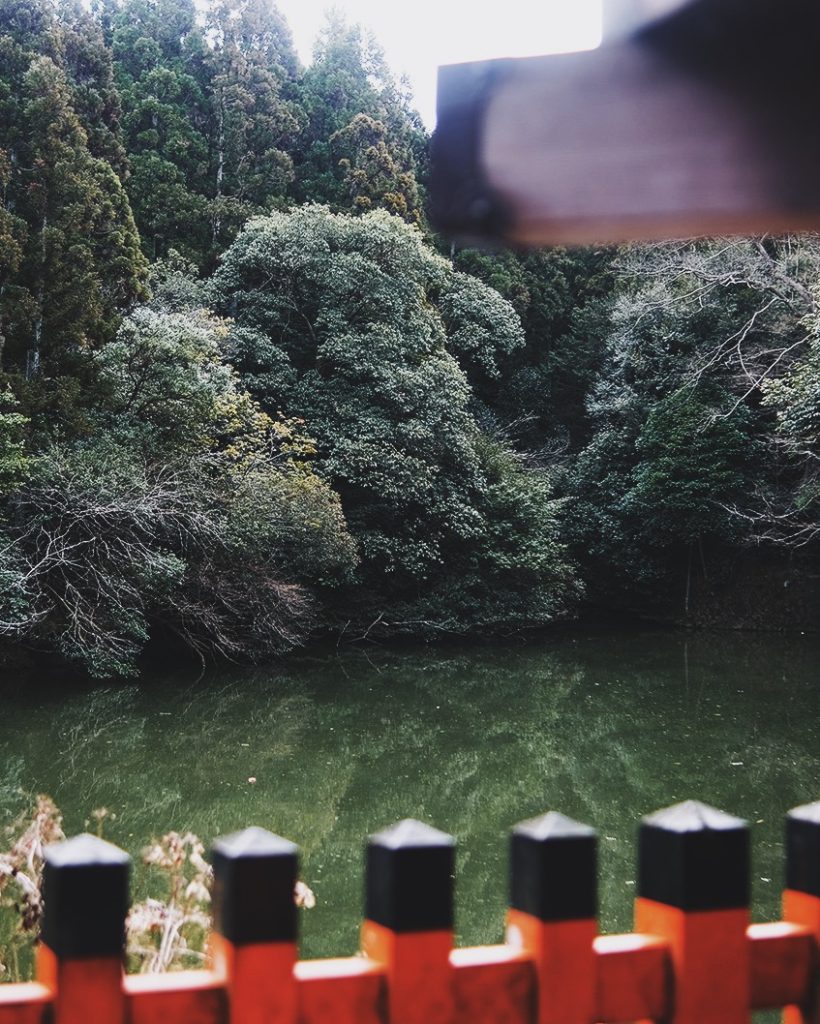
This area has a nice view of a small lake in the middle of the mountain. An interesting legend says you need to clap in front of the lake, listen to how the sound travels, and find the direction it echoes back to you. It is said that you will find someone who has lost their way in this direction.
We didn’t try clapping. We’re afraid someone (or a soul) might be lost, and we might have to finish the entire trail, which, at this point, we’re not sure we can still hike.
We still managed to climb up further. Steps and inclines are becoming steeper and steeper. We’re at least aiming to reach the Yotsusuji area, which is said to have a nice view of Kyoto.
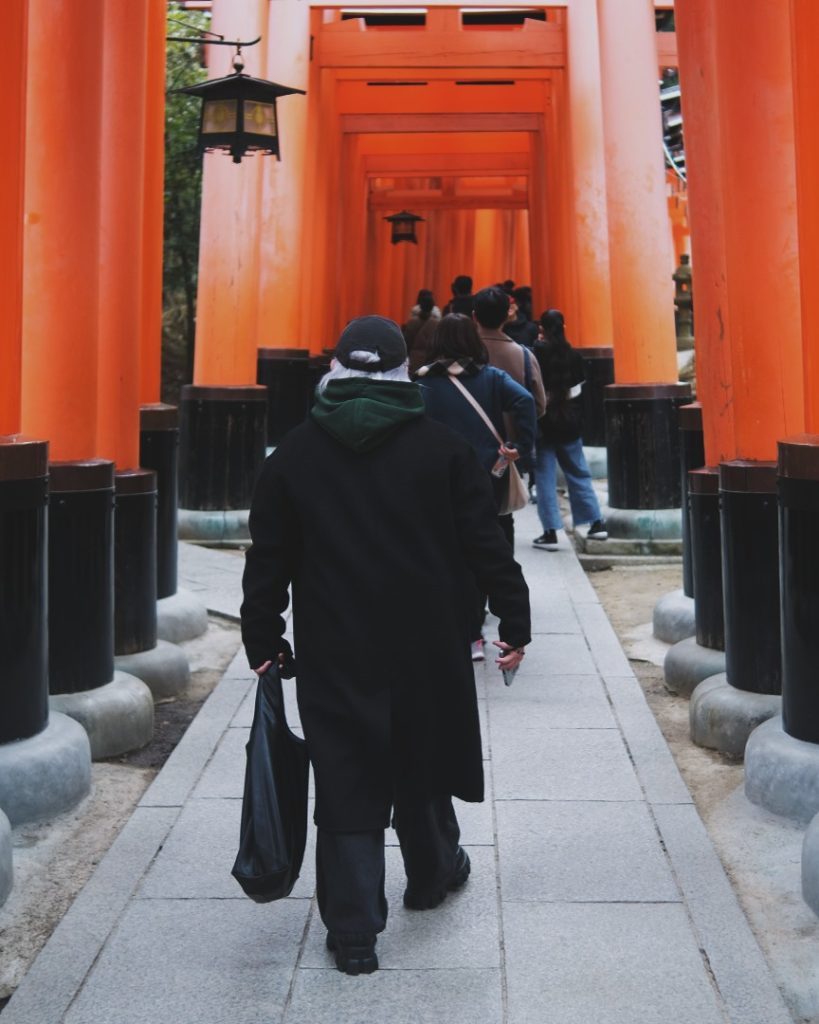

A few more steps later, we returned and took a downhill path on the opposite side of the trail. We were just 10-15 minutes away from the main shrine, but our tired legs and the cold wind weren’t cooperating.
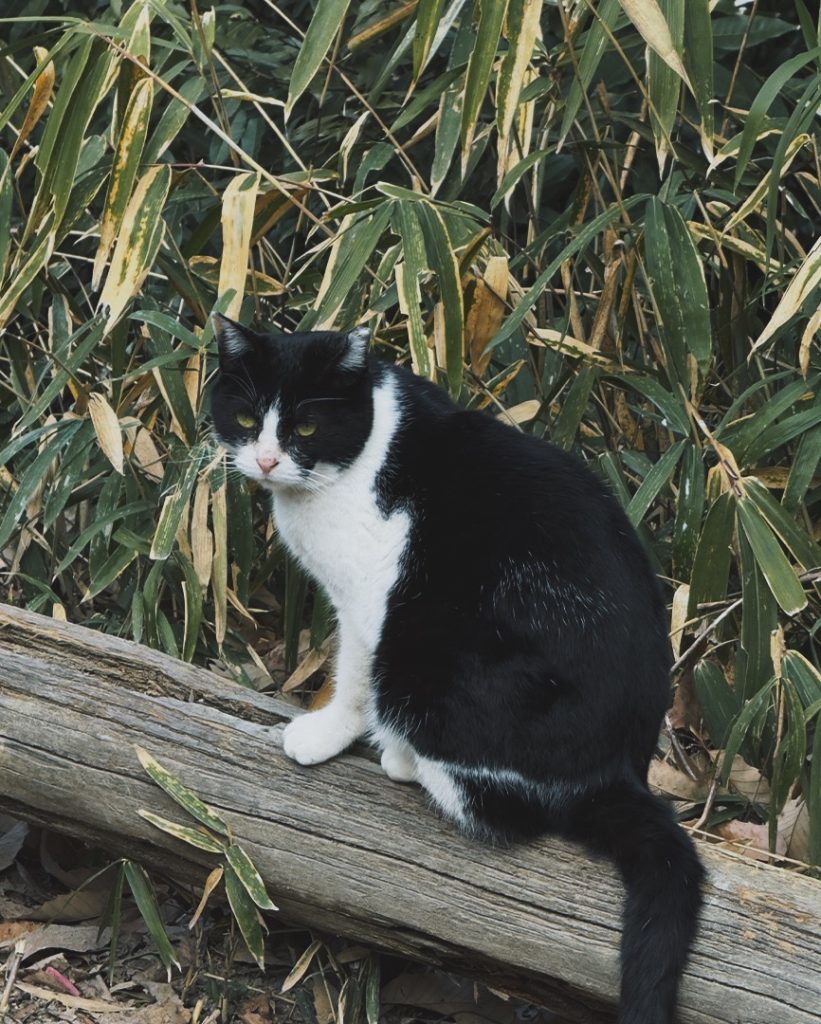
A downhill trip takes us to more shrines, some fat-cat sightings, and a lot of Kitsune statues (white mystical foxes). It is believed that Kitsune are the messengers of the god Inari. They are often adorned with red bibs or things in their mouths. Each item in their mouths symbolizes the community’s wish—a scroll for wisdom, a key to unlock bountiful blessings, rice for a good harvest, and more.
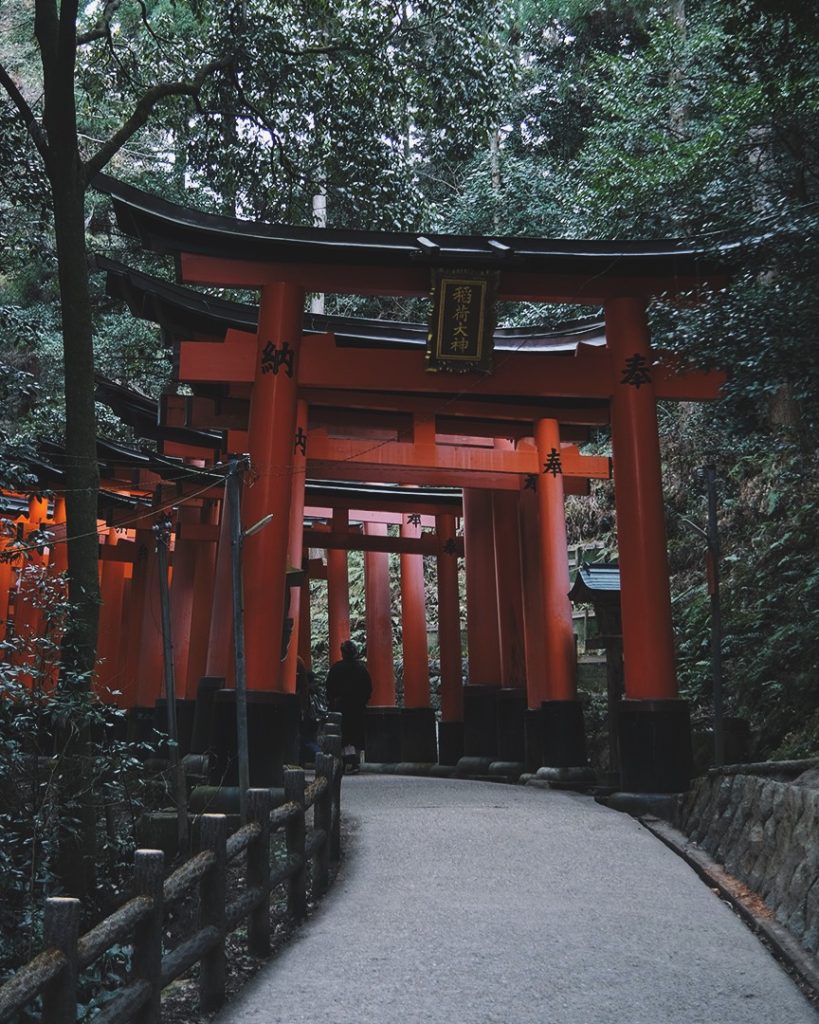
Passing through each pathway and wandering into the forest downhill, we chanced upon this sub-shrine with Zodiac animals. The Hachirei no Yashiro has Chinese zodiac animals facing different directions. You may offer a wish or a prayer to your zodiac animal.
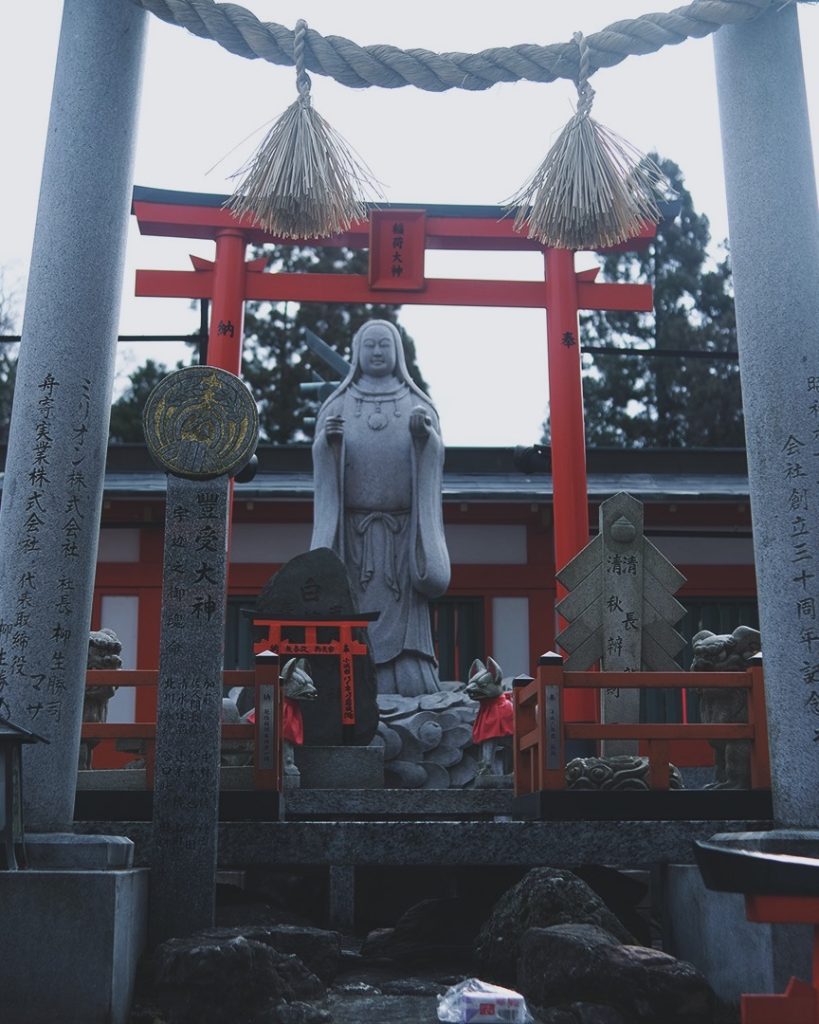
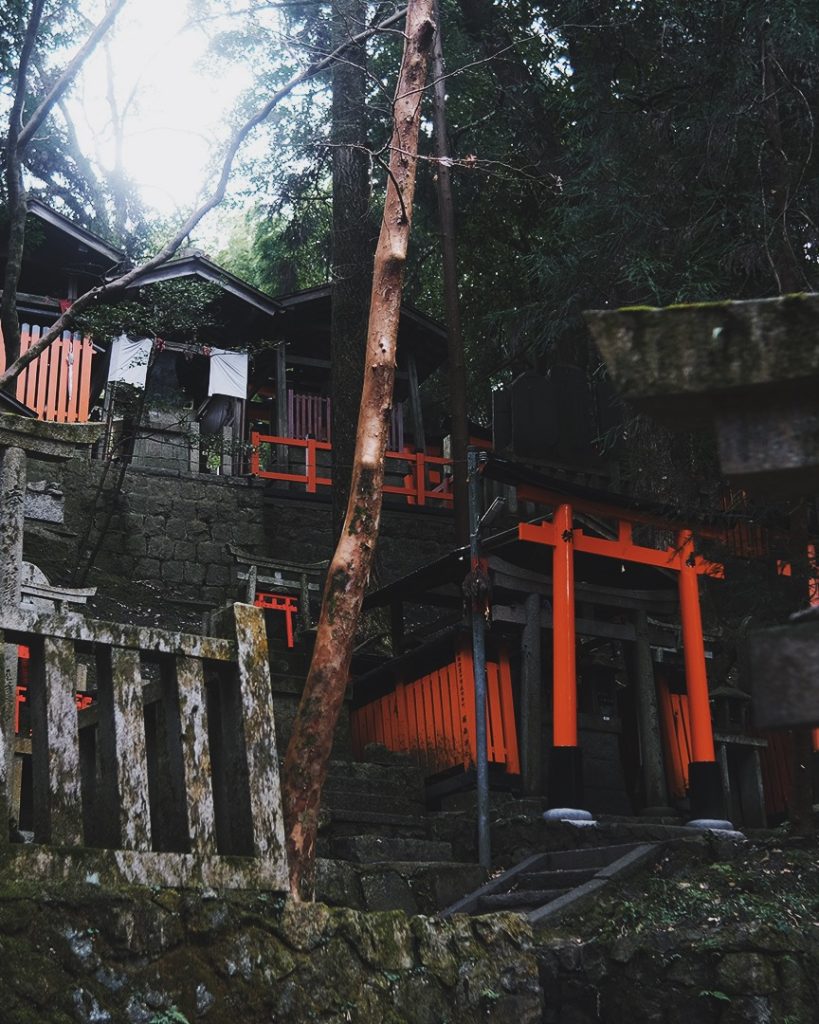
This visit to Fushimi Inari has been a fun wandering trip for us. We used to go up and down one path. We discovered that there are actually many paths to take and so much more to discover in Fushimi Inari. Going beyond the touristy spots, we learn more about the beliefs and culture of the people in the area—their reverence for nature and belief in the gods who live in the woods. It’s just fascinating!
You can never really get lost in Fushimi Inari trails. You take a different path, end up in a different shrine, and gain a new appreciation for Japanese culture.

0 Comments